Support Team Notice – We will have limited phone support from 27 Mar – 31 Mar. Please email all enquiries to info@safetyculture.com.au

    Filters

    • Clear Filters
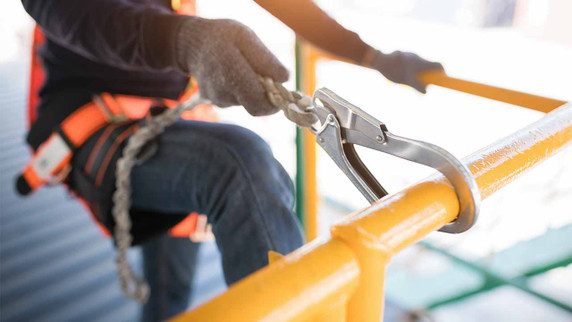
The Dangers of Working at Heights: A Guide to Workplace Safety
The Dangers of Working at Heights: A Guide to Workplace Safety Working at heights remains one of the most dangerous types of activity across Australian workplaces, and falls from elevation continue to be a leading cause of serious injuries and fatalities. These risks are not limited to construction sites; they can be found in a wide variety of workpla…
Keeping Your Business Flowing with a Disaster Recovery Plan
Keeping Your Business Flowing with a Disaster Recovery Plan A documented disaster recovery plan keeps essential services running when unexpected disruptions strike, protecting operational continuity and customer trust. Business continuity planning gives Australian small and medium enterprises (SMBs) a structured way to respond effectively to natural d…
Implementing an Emergency Response Plan in the Workplace
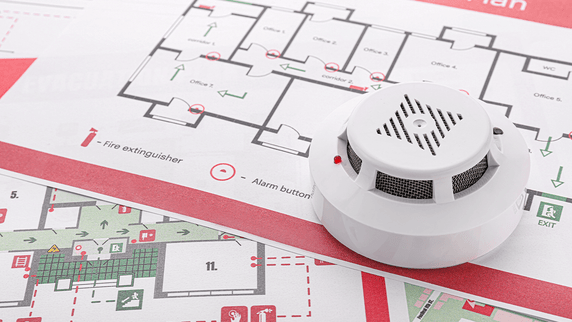
Implementing an Emergency Response Plan in the Workplace In emergencies, response speed and accuracy depend highly on actions taken in the first moments. To minimise harm, employers must warn employees to evacuate, take shelter or go into lockdown immediately. An emergency response plan (ERP) is essential to any business, helping managers and employer…
OHS Management System for Business Services in Australia
OHS Management System for Business Services in Australia: A Quick Summary An OHS Management System for Business Services in Australia gives organisations a structured way to identify hazards, manage risk, and maintain compliance with workplace health and safety laws. It applies to offices, professional services, and other low-to-moderate risk business…
Earthmoving Safety: Working Around Heavy Equipment
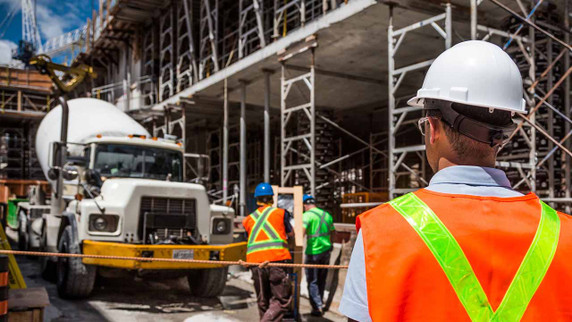
Earthmoving Safety: Working Around Heavy Equipment Earthmoving safety is critical for any excavation, mining, or construction business. Heavy earthmoving machinery presents numerous worker risks that companies must identify and control to protect their personnel. From excavators to bulldozers, these pieces of machinery can cause serious injury or even…
Protecting Your Ears During Hearing Awareness Week
With Hearing Awareness Week taking place from March 1st to 7th and World Hearing Day held on the 3rd of March, now is an important time to focus on hearing health in the workplace. Hearing loss is a common workplace injury that can significantly impact quality of life but is often preventable through simple habits and consistent risk management. Steps…
Benefits of ISO Certification for Your Workplace
Benefits of ISO Certification for Your Workplace ISO (International Organization for Standardization) standards are internationally recognized benchmarks that help businesses ensure consistent quality, health and safety, and environmental performance. In Australia and New Zealand, these standards are adopted and modified to meet local industry require…
10 Integrated Management System (IMS) Documents
Why Organisations Need an Integrated Management System Operating with separate teams and using different management systems for each respective area is a scenario observed far too often within organisations. This hindrance causes fragmentation and detachment, leading to many problems, such as inadequate communication, unclear objectives, and duplicati…
How to Report a Hazard in the Workplace
How to Report a Hazard in the Workplace Reporting a hazard in the workplace means identifying a potential risk, notifying your supervisor or designated safety contact, and documenting the details on a hazard report form so corrective action can be taken before an injury occurs. Maintaining safety across a business is one of the essential responsibilit…
Notifiable Incidents in Australia: What Business Owners Need to Know
```html Notifiable Incidents in Australia: What Business Owners Need to Know Summary: A notifiable incident is a serious workplace event that must be reported to your state or territory WHS regulator. Reporting obligations cover deaths, serious injuries or illnesses, and dangerous incidents that expose someone to a serious risk. Business owners must u…
The Top 5 Safety Management Documents Your Business Needs
The Top 5 Safety Management Documents Your Business Needs Owning a business means having proper safety management documents in place to protect both employees and your company. From Safe Work Method Statements to Standard Operating Procedures, these documents ensure everyone understands the risk involved in their work and knows which controls apply to…