Safety in High-Risk Construction Work in Australia: The Short Answer
High-risk construction work (HRCW) covers 18 activities named in the WHS Regulations, and each one demands a Safe Work Method Statement (SWMS) before the task begins. Every activity also calls for documented risk management, trained personnel, and control measures selected using the…

```html
Did You Know? August is Tradies National Health Month
Every August, Tradies National Health Month is observed across Australia as a dedicated national health campaign to spotlight the unique health risks and challenges encountered by workers in trade-based occupations, known as 'tradies'. Led by the Australian Physiotherapy Association (APA), t…
Safe Work Method Statements (SWMS) vs Job Safety Analysis (JSA): What's the Difference?
In high-risk industries, clear and effective safety documentation is non-negotiable. But for many businesses, the difference between a Safe Work Method Statement (SWMS) and a Job Safety Analysis (JSA) can be confusing. While both tools support workplace safety comp…
What is ISO 45001:2018?
ISO 45001:2018 Standard is an Occupational Health and Safety Management System (OHSMS) designed to promote a healthy working environment by providing a framework for identifying, controlling, and managing occupational health and safety risks and opportunities. In addition, it offers a chance to benchmark OHS practices against gl…
```html
A WHS (Work Health and Safety) audit is a powerful process for organisations to maintain safety, ensure compliance with WHS legislation, and proactively reduce workplace risks. But without a structured approach, WHS audits can become time-consuming and ineffective.
This guide breaks down simple steps to conduct a WHS audit, from planning and e…
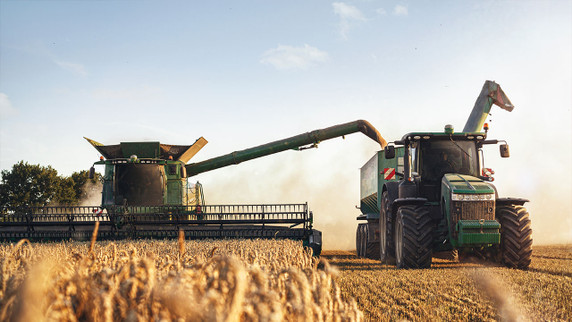
Farming can be rewarding and challenging, but whether it's considered a safe job depends on various factors. Working on farms involves heavy machinery, animals, and sometimes hazardous chemicals. This can pose a range of risks to farmer's health and safety. However, with proper training, equipment, and safety protocols in place, farm work risks can be…
Emergency Preparedness: How to Build a Business Continuity Plan for Workplace Safety
When disaster strikes, how prepared is your business in keeping workers safe and operations running? From bushfires to cyberattacks, emergencies take many forms, and they often arrive without warning. That's why emergency preparedness connects directly to business con…
What Is a Safety Management System (SMS) and Why Your Business Should Implement One?
A Safety Management System (SMS) is a structured framework of policies, procedures, and controls that helps organisations proactively manage workplace health and safety. Rather than relying on informal or reactive practices, businesses use safety management systems to…
EOFY Safety Checklist: Invest in Safety, Reap the Rewards
EOFY (End of Financial Year) isn't just for financial planning, it's the ideal time to assess your workplace safety strategy. This EOFY safety checklist outlines how smart safety investments can help you reduce risk, meet compliance obligations, and claim valuable tax deductions.
EOFY isn't ju…
10 WHS Policies and Procedures Every Workplace Should Have
Getting a handle on workplace health and safety, standards, and regulations is one of the essential parts of running a business. Having a comprehensive safety policy and well-defined WHS policies and procedures can help ensure everyone knows their rights, work health responsibilities, and prot…
A Quality Management Plan (QMP) is the foundation of any organisation’s commitment to maintaining high standards, regulatory compliance, and driving continual improvement. However, as businesses grow, industry regulations change, and customer expectations shift, even the most well-structured QMP can become outdated. Many companies don’t rea…
How to Create a Non-Conformance Report That Drives Improvement
Non-Conformance Reports (NCRs) are powerful tools for identifying deviations from established quality standards and implementing corrective actions that drive continual improvement. When used effectively, non-conformance reports can help prevent recurring issues, enhance quality, and ensur…