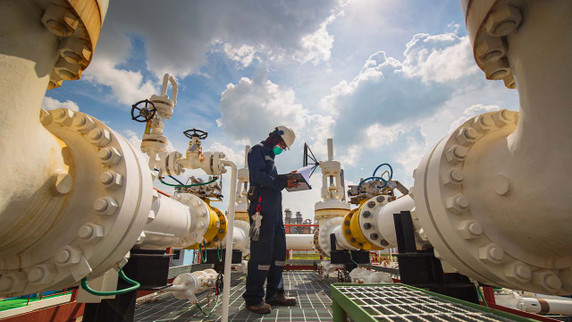

PCBU: Safeguarding Workplaces Through Responsible Leadership
In Australia, the concept of "PCBU," or "Person Conducting a Business or Undertaking," has emerged as a significant framework for safeguarding workplaces and promoting a safety culture. PCBUs carry primary duty of care for identifying, assessing, and controlling health and safety risks. Busi…

Mental Health at Work: Nurturing Employee Well-being
Mental health issues rank as the third most significant health concern in Australia, following heart disease and cancer. Roughly 45% of Australians aged 16 to 85 are expected to face a mental illness during their lifetime. Additionally, one in five Australian adults experiences a mental illness ever…
```html
Responsibility for risk management no longer sits with a select few individuals. It's now a shared commitment involving every team member. Collaborative risk management is not only a strategy to enhance workplace safety but also a means to cultivate a culture of awareness, responsibility, and continuous improvement. This blog delves into collab…
A Down-to-Earth Guide to Health and Safety for New Business Owners in Australia
Congratulations on taking the entrepreneurial leap to start your own venture! Going from an employee to an employer marks an exciting but challenging transition. Whether you're brewing the perfect latte in a cozy café or overseeing a bustling construction site, your new ro…
Essentials of Crane Lift Plans in Australia: SafetyDocs' Comprehensive Guide
Crane lift plans are pivotal in construction and industrial sectors, ensuring safe and efficient operations. With distinct Australian standards and regulations governing this industry, a meticulous crane lift plan isn't just a recommendation - it's essential for meeting compl…
Fire Safety Preparedness: A Comprehensive Workplace Guide
Fire safety is an indispensable aspect of any workplace, as it protects lives and safeguards businesses from catastrophic losses. In Australia, fire remains an enduring hazard that tragically results in around 100 fatalities and over 3000 injuries yearly. Understanding and implementing effectiv…
Navigating the Risk Assessment Process: Beginner's Roadmap
Risk assessments form the cornerstone of maintaining a safe and secure workplace. These assessments identify potential hazards, evaluate associated risks, and develop strategies to prevent issues from occurring—ultimately saving lives.
This blog post guides beginners through the risk assessme…
Manual Handling Techniques: A Comprehensive Guide to Safety and Efficiency
Manual handling, the act of moving objects by hand, remains common across construction, healthcare, retail, and manufacturing industries. While these tasks benefit workers and employers alike, poor technique can quickly become a source of serious injury. Statistics on work-rela…
Lone Worker Safety in Australia: Navigating Challenges in Remote Environments
A growing number of professionals are finding themselves working alone in remote environments. Contractors such as gas engineers, surveyors, plumbers, and electricians are among the industries with the highest number of lone workers in Australia. As the trend of remote work…
Integrating Office Ergonomics: Promoting Workplace Wellness
Employees spend a significant portion of their day at their desks. On average, workers spend approximately 5 hours and 41 minutes daily sitting at their desks. About 76% of their workday is seated, accounting for around 5 hours daily. In Australian work environments, it is typical to spend lo…
Chemical Spill Response: A Guide to Environmental Protection
Chemical spills can devastate the environment, wildlife, and human health. A research paper on Australia's National Maritime Chemical Spill Risk Assessment mentions an average of 215 accidents per year, resulting in 37 lives lost. Furthermore, the environment can suffer long-term impacts suc…
What is a Safe Operating Procedure?
A Safe Operating Procedure (SOP) serves as detailed instructions outlining how to perform a task or activity safely. SOPs are useful for any routine, repeated process and prove crucial for maintaining workplace health and safety. They provide a stable reference point for all Work Health and Safety (WHS) duties, and…