Types of Chemical Spills: Creating a Response Plan – A Step-by-Step Guide
Chemical spills are inevitable in any organisation handling hazardous waste or highly toxic chemicals. No matter how stringent your safety measures are, accidents happen, and preparing for them remains crucial. Your first line of defence against spills involves having a well-cra…
The Importance of Reporting Hazards in the Workplace: Health and Safety Guide
Workplace health and safety remains a critical concern for all Australian employers and workers. A key aspect of maintaining a safe and healthy workplace involves implementing hazard reporting, which means identifying and reporting potential hazards that could cause harm to…
Understanding Unsafe Work Practices and Their Risks
Employers and workers need to understand the serious health risks associated with unsafe work practices. The 2023 Key Work Health and Safety Statistics from Australia report that leading causes of workplace injuries include traumatic injuries to joints, ligaments, muscles, or tendons (36.7%), wounds…
Event Safety 101: The Ultimate OHS Checklist for Event Planners
Events can be on a small scale, like local community events, fundraisers, or grand productions, like music festivals. One thing they all have in common is a need for event safety management. Success of any event often hinges on its safety.
Risks at events can range from minor injuries to…
Mastering Manual Handling: Your Visual Safety Guide
Manual handling forms part of everyday work across many industries, yet carries hidden risks that can lead to long-term injuries. From back strains and joint pain to more serious musculoskeletal disorders (MSDs), consequences can prove debilitating for employees and costly for businesses. Building a…
Conducting a risk assessment stands among the most important steps employers need to take for workplace safety. These assessments are fundamental to sound health and safety management. Picture commencing electrical work without first identifying live wires nearby — such an oversight could prove hazardous to workers and anyone else present in that area.…
Navigating Psychosocial Risk in the Workplace: A Comprehensive Guide
Psychosocial hazards are becoming an increasingly important topic in Australian workplaces, significantly impacting employees' mental health, physical wellbeing, job satisfaction, and overall quality of working life. Common psychosocial risks, as outlined in Safe Work Australia's mod…
Safe Work Australia runs ‘National Safe Work Month’ every October. It's a time when employers and workers across the country are encouraged to commit to creating safe and healthy workplaces. The 2024 theme is ‘Safety is everyone's business’. By everyone, it also includes small businesses, who may not have the same resources as larger companies. Ho…
Lockout/Tagout Procedures: Step-by-Step Guide
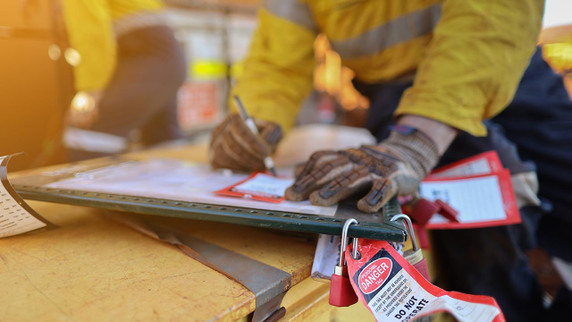
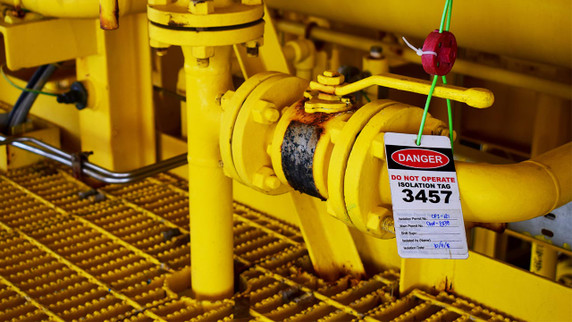
Lockout/tagout procedures protect workers by isolating hazardous energy before maintenance or servicing begins, preventing unexpected machine startups that cause severe injuries or fatalities. Imagine a workplace where servicing activities happen without fear of sudden energy release — that's the outcome a…
Artificial Intelligence (AI) in workplace safety has rapidly transformed from a futuristic concept into a tangible reality. Examples include AI-enabled wearable devices that can track workers' vital signs, such as heart rate, body temperature, and fatigue levels, in real time. Such ideas are no longer limited to sci-fi movies. However, they are now bei…
10 Common Safety Hazards in the Hospitality Industry
Hospitality businesses covering hotels, restaurants, takeaway food services, and bars are known for vibrant atmospheres, yet this sector faces significant safety challenges. In Australia, injury rates within this industry have stayed consistently high over the past decade.
Safe Work Australia repor…
Beyond safety compliance lies the real work of nurturing a true safety culture — one where safety is treated as a core value rather than a checklist requirement. The concept of safety often gets confined to meeting regulatory standards. While safety compliance with regulations remains crucial, it represents only the minimum bar. Workplace safety isn't…